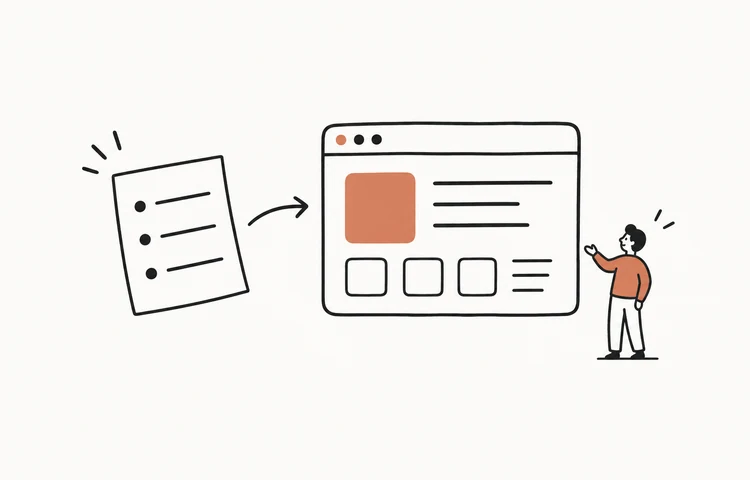
A useful UAT checklist defines the business outcome, representative users, supported environment, realistic test data, critical journeys, expected results, failure and recovery states, evidence to capture, defect ownership, retest rules, and who may accept the release. UAT confirms agreed user needs; it does not replace security or engineering testing.
What UAT must decide
A useful UAT checklist defines the business outcome, representative users, supported environment, realistic test data, critical journeys, expected results, failure and recovery states, evidence to capture, defect ownership, retest rules, and who may accept the release. UAT confirms agreed user needs; it does not replace security or engineering testing.
Copyable UAT scenario row
Use one row per observable scenario. A row should be executable by a representative user and independently reviewable after the session.
Duplicate the scenario row for every role and high-risk journey. During the session, capture the actual observation before discussing a fix. A blocked scenario stays blocked until its prerequisite is available; it should not be marked passed simply because the expected result appears reasonable.
- Scenario ID, business outcome, user role, and priority
- Starting account, data, environment, and prerequisites
- User steps and expected result, including state after refresh
- Actual result, screenshot or log, status, defect ID, and owner
- Retest build, retest result, acceptance owner, and decision date
Invitation-flow worked scenario
For workspace invitations, test a valid invitation, expired link, duplicate acceptance, wrong account, revoked invitation, and retry after a temporary error. Record the observed result and evidence instead of marking the entire flow simply passed.
Choose users, data, and journeys
Define UAT from the business outcome backward. Name the role, starting data, supported environment, exact action, expected result, and evidence for each scenario. Include critical happy paths, validation, permissions, interrupted requests, recovery, and the state seen after refresh or a second account signs in. Prioritize journeys whose failure blocks real use.
Treat recovery as part of the business journey. A failed request can still meet the user's need if work is preserved and the next action is clear. Test what happens after retry, refresh, sign-out, and another role opens the same record. Those observations often reveal acceptance gaps that a single happy-path demonstration cannot show.
- Atlassian: user acceptance testing template
- BrowserStack: user acceptance testing checklist
Keep UAT within its testing role
Keep UAT distinct from unit, integration, security, performance, and accessibility testing even when scenarios overlap. Representative users can confirm whether the agreed workflow meets their needs, but they cannot certify hidden controls they did not inspect. Use safe test accounts and data, and never run destructive production experiments without explicit ownership and recovery.
Record defects and retest evidence
Triage each observation into pass, blocked, failed, or needs clarification with evidence and an owner. Retest the exact failed scenario after a change and note the build or preview reviewed. Acceptance occurs only when the named owner resolves the agreed exit criteria; an attractive demonstration or an empty defect list is not equivalent evidence.
What UAT cannot certify
A preview is not evidence of production security, compliance, or launch readiness.
- Business outcomes are named
- Negative and recovery paths are included
- Evidence supports every result
- Sign-off authority is explicit